Ragdoll Boxing 3D 2v2 Tag Team — Partner Play Guide
Coordinate tags, share stamina pressure, and win as a duo.
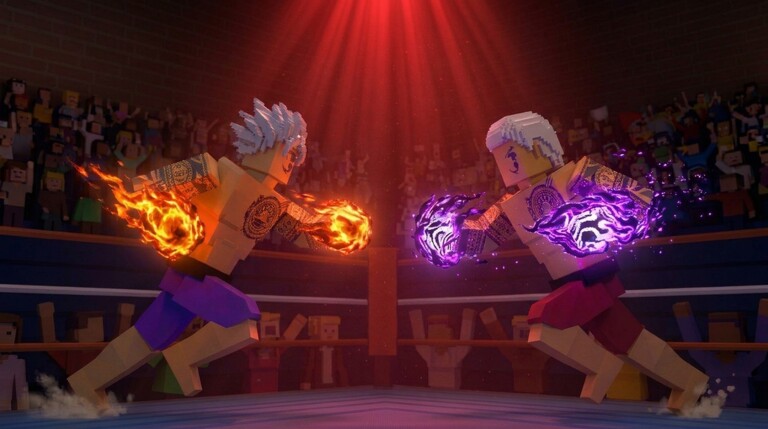
2v2 Tag Team is Season 1’s partner mode in Ragdoll Boxing 3D by Ragdoll Boxing Studios. The physics stay the same — three knockdowns decide the active exchange, clean head shots hit hardest, and defense still means block, weave, and lean back — but now you share the ring with a teammate. Tag timing, stamina management, and complementary builds matter as much as raw aim. This guide covers how to play with a partner, when to tag, how duo builds differ from solo climbs, and when Tag Team is a better session choice than solo Ranked Mode. Start from Getting Started if the lobby and ring join square are still unfamiliar.
Why Tag Team exists
Solo Ranked trains composure against one opponent. Tag Team trains communication under split attention. You must know when you are fresh, when your partner is drowning, and when a tag saves a round versus when it donates a free knockdown. It is also the healthiest break mode when solo queues feel toxic: you keep practicing physics boxing without staring at a division number.
Tag Team still rewards the fundamentals from Combat Tips: short bursts of two to four punches, reset, defend, counter. Partner play does not excuse mashing. If anything, empty stamina in a tag format punishes your teammate as well as you.
Partner play basics
Agree on simple calls before you queue:
- “Tag” — I need out now (stamina, rocked, bad matchup feel).
- “Hold” — I can finish; do not interrupt.
- “Reset” — both calm down, re-establish space after a knockdown.
If you lack voice chat, use consistent emote or chat shorthand and watch your partner’s stamina and ragdoll state. Standing on the join square still starts the session flow you learned in How to Play; the difference is coordinating who warms up which habits.
Warm up like a duo:
- Claim dailies and any active Codes.
- Each player runs one quick bot spar or a short Story bout for hands.
- Queue Tag Team with one shared goal (defense night, tag discipline night, or head-shot accuracy).
When to tag
Tag too early and you waste a fresh fighter. Tag too late and you gift knockdowns.
Tag out when:
- Your stamina is too low to defend the next rush.
- You just ate a clean head shot and your recovery looks messy.
- The opponent’s style hard-counters your current build silhouette.
- Your partner is clearly fresher and calling for the swap.
Stay in when:
- You are one disciplined exchange from a knockdown.
- Your partner just tagged out exhausted.
- You still have defense tools (block / weave / lean) online.
Panic tags after every missed punch create chaotic fights. Calm tags after a planned burst create pressure the other duo must answer.
Stamina and the shared clock
In solo play, empty stamina is your problem. In Tag Team, it is a team resource. A partner who enters on fumes cannot cover your mistakes. Structure exchanges so the active fighter leaves with enough tank to survive the tag window.
Practical rules:
- End combinations early on purpose — the two–four punch reset still applies.
- Do not chase a fourth and fifth swing because “my partner can tag in.”
- After you score a knockdown, reset space before hunting the next one; greedy follow-ups are how leads disappear.
- If you were just tagged in, establish range first. Entering with a six-punch dream is a common duo loss condition.
PC defense reminder while active: F block, Q/E weave, Shift lean back, WASD to reposition, arrows or mouse to punch. Full platform maps are on Controls.
Builds for duo play
Spin Your Build still changes height, wingspan, and weight, with height reaching up toward 7’0”. In Tag Team, think in pairs instead of isolated “best” spins.
Useful pairings to test:
- Reach + pocket: one taller poke fighter to control space, one compact counter fighter to finish after tags.
- Mirror spins: both run similar silhouettes so tags feel consistent under pressure.
- Specialist + generalist: one experimental spin for learning, one stable spin you already trust from Story Mode.
Do not both reroll before every match. Read Best Builds and lock a duo plan for a full session. Community preference charts on the tier list can inspire experiments after you have tag discipline, not before.
Tag Team vs solo Ranked
Prefer Tag Team when:
- You have a regular partner and want coordinated practice.
- Solo Ranked tilt is rising and you need productive reps.
- You are learning tag timing and shared stamina habits.
- You want variety after a long Story Mode crown block.
Prefer solo Ranked when:
- You are chasing Bronze-to-Champion belt progress.
- You need to prove individual composure without a safety tag.
- Your partner is unavailable and pickup coordination is too noisy.
Many strong climbers still schedule Tag Team nights. Duo work exposes telegraphing and stamina sins that solo bots forgive. Just remember: Ranked belts are earned in Ranked. Tag Team supports the skill stack; it does not replace the climb guide on Ranked Mode.
Communication mistakes that lose sets
- Silent panic — no call before a late tag.
- Double aggression — both players mentally “active” and nobody watching stamina.
- Blame tags — swapping only to assign fault instead of fixing the exchange.
- Ignoring knockdown resets — tagging into a chaotic scramble without space.
- Wrong-game habits — importing timing from the separate Ragdoll Boxing title.
Browse Players for roster-oriented notes if you also grind Story fighters between duo nights, and keep Season 1 updates handy when mode details shift.
Duo session template
- Codes + dailies together.
- One individual warm-up spar each.
- Agree on a single drill (tag discipline, head-shot finishes, or defense-first opens).
- Play a limited Tag Team block, then break.
- Review: which tags were early, late, or perfect?
Related reading
Map every walkthrough from the Guides Hub. Refresh How to Play for the core loop, sharpen solo fundamentals with Combat Tips, and keep progression moving through Season Pass and daily quests while you duo. 2v2 Tag Team rewards partners who share information as cleanly as they share knockdowns — tag with intent, fight in short bursts, and leave ego at the ring square.
Strong duos review one clip or one memory per set: the tag that saved a fight, and the tag that threw one away. That short review compounds faster than grinding endless rematches without a plan. When Season 1 patches adjust stamina, rewards, or mode presentation, adjust your calls the same day instead of assuming old timing still holds. Partner trust is a skill — train it on purpose.
Frequently Asked Questions
Quick answers about codes, builds, and combat.
What is 2v2 Tag Team in Ragdoll Boxing 3D?
Season 1’s partner mode where you coordinate tags and stamina while still winning active exchanges with three-knockdown physics boxing.
When should I tag out?
Tag when stamina or recovery is unsafe, or when your partner is fresher — not after every missed punch.
Do Tag Team fights use different win rules?
The boxing exchanges still hinge on knockdowns and clean head shots. Tag timing adds a teamwork layer on top of the same fundamentals.
Should duo partners use the same build?
Not required. Many teams pair reach and pocket styles; lock a plan for the session instead of rerolling every match.
Can Tag Team replace Ranked climbing?
No. Use Tag Team to practice coordination and break tilt, then return to Ranked when you want Bronze-to-Champion progress.